Experience 360o Virtual Tour

Driving India’s Industrial Transformation Nationwide

Learn More About NICDC

0

Active Projects

0

Development Phases

0

Industrial Corridors

0

+
States Covered
Overview

National Industrial Corridor Development Programme

National Industrial Corridor Development Programme is India's most ambitious infrastructure programme aiming to develop new industrial cities as 'Smart Cities' and converging next generation technologies across infrastructure sectors.

Government of India is developing various industrial corridor projects as part of the National Industrial Corridor Programme which is aimed at development of futuristic industrial cities in India which can compete with the best manufacturing and investment destinations in the world. The same will create employment opportunities and economic growth leading to overall socio-economic development.

While developing the Delhi Mumbai Industrial Corridor (DMIC) project, Western Dedicated Freight Corridor has been considered as the transportation backbone while Eastern Dedicated Freight Corridor has been considered as the backbone for Amritsar Kolkata Industrial Corridor (AKIC) project. For other industrial corridor projects like Chennai Bengaluru Industrial Corridor (CBIC) and Bengaluru Mumbai Industrial Corridor (BMIC), NH-4 has been considered as the backbone. For the East Coast Economic Corridor (ECEC), NH-5 which is part of the Golden Quadrilateral, the Kolkata–Chennai rail route has been considered as the transport backbone. The proposed North-South East-West and East Coast Dedicated Freight Corridors will further supplement the existing transportation backbone for the corresponding industrial corridors.

National Industrial Corridor Development Programme is India's most ambitious infrastructure programme aiming to develop new industrial cities as 'Smart Cities' and converging next generation technologies across infrastructure sectors.

Government of India is developing various industrial corridor projects as part of the National Industrial Corridor Programme which is aimed at development of futuristic industrial cities in India which can compete with the best manufacturing and investment destinations in the world. The same will create employment opportunities and economic growth leading to overall socio-economic development.

While developing the Delhi Mumbai Industrial Corridor (DMIC) project, Western Dedicated Freight Corridor has been considered as the transportation backbone while Eastern Dedicated Freight Corridor has been considered as the backbone for Amritsar Kolkata Industrial Corridor (AKIC) project. For other industrial corridor projects like Chennai Bengaluru Industrial Corridor (CBIC) and Bengaluru Mumbai Industrial Corridor (BMIC), NH-4 has been considered as the backbone. For the East Coast Economic Corridor (ECEC), NH-5 which is part of the Golden Quadrilateral, the Kolkata–Chennai rail route has been considered as the transport backbone. The proposed North-South East-West and East Coast Dedicated Freight Corridors will further supplement the existing transportation backbone for the corresponding industrial corridors.

Our Mission

To develop India as a global manufacturing and investment destination using a high-capacity transportation network, creating new industrial cities as 'smart cities' and converging next generation technologies across different sectors thereby creating employment opportunities and economic growth leading to overall socio-economic development.
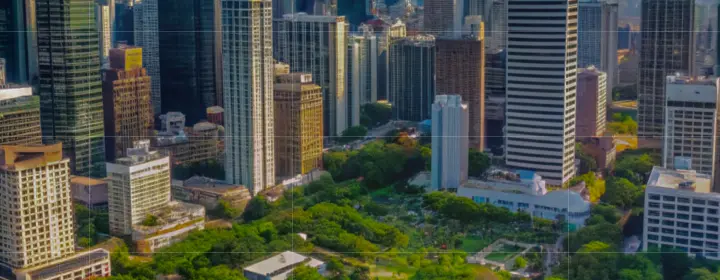

To develop India as a global manufacturing and investment destination using a high-capacity transportation network, creating new industrial cities as 'smart cities' and converging next generation technologies across different sectors thereby creating employment opportunities and economic growth leading to overall socio-economic development.

NICDC industrial smart cities and modern urban infrastructure
Multimodal logistics and industrial connectivity

Our Vision

Our Vision English

Our Vision English

Corporate Profile

Our Foundation & Reach

01

Title English

Our Foundation English update

Department for Promotion of Industry and Internal Trade Trade

Our Foundation English

Department for Promotion of Industry and Internal Trade

Department for Promotion of Industry and Internal Trade

NICDC foundation and national industrial reach
Our Journey

Building India’s Industrial Backbone.

In order to accelerate growth in manufacturing sector and for ensuring systematic and planned urbanization, Government of India (GoI) has adopted the strategy of developing integrated industrial corridors on the backbone of multi-modal connectivity in partnership with State Governments. The same will create employment opportunities and economic growth leading to overall socio-economic development.

Journey image

our journey english

Journey image

Cabinet approved development of the first industrial corridor Delhi Mumbai Industrial Corridor (DMIC) as a global manufacturing and investment destination utilising the high capacity 1504 km Western Dedicated Freight Corridor (DFC) as the backbone.

Journey image

Iconic Delhi Mumbai Industrial Corridor (DMIC) conceived as a symbol of Indo-Japan strategic partnership.

IRCLASS ISO 9001:2015 certificate — National Industrial Corridor Development Corporation Limited
ISO Certification

NICDC’s
Commitment to Quality

NICDC upholds globally recognized standards in quality management and operational excellence.Our ISO certification reflects our commitment to transparency, efficiency, and continuous improvement across all industrial corridor initiatives.

View certificate

Right to Information

Appellate Authority

Shri Rajat Kumar Saini

IAS CEO & MD, NICDC

17th Floor, Hindustan Times House, 18-20, Kasturba Gandhi Marg, New Delhi-110001

Central Public Information Officer

Shri Vikas Goel

General Manager (CS and Marketing), NICDC Ltd.

17th Floor, Hindustan Times House, 18-20, Kasturba Gandhi Marg, New Delhi-110001

Let's Build the Future of Industrial India Together

Connect with NICDC to explore investment opportunities, collaborations, and project partnerships.